Seeking safe benzodiazepine detox South Africa? Learn why medically supervised tapering in Johannesburg protects your health during withdrawal and recovery.
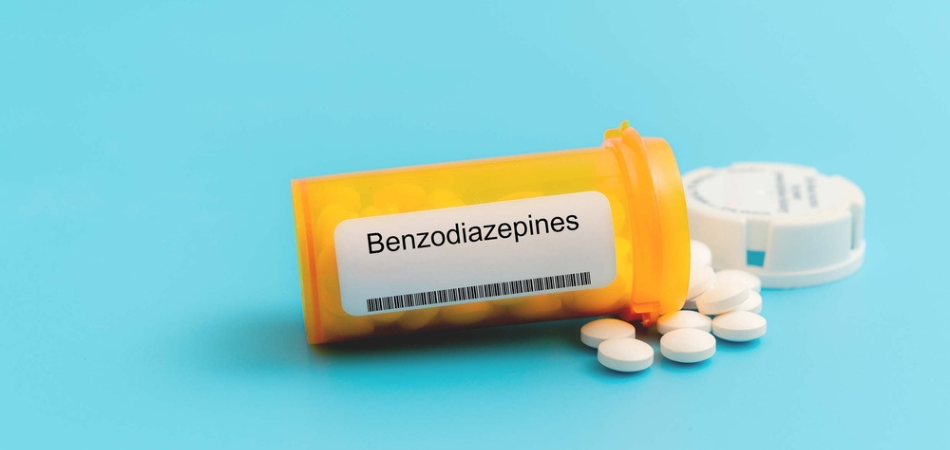
Benzodiazepine Detox South Africa: Safe Tapering Guide
Safe Benzodiazepine Detox South Africa: Understanding Medical Tapering and Recovery
Prescription sedatives and anti-anxiety medications—commonly known as benzodiazepines—are frequently prescribed to help manage acute anxiety, panic disorders, and severe insomnia. While these medications offer relief in short-term crises, the central nervous system adapts to them relatively quickly. Over time, decreasing your dosage or attempting to stop taking them altogether can trigger intense physical, psychological, and autonomic withdrawal symptoms. If you or someone you care about is navigating this challenge in 2026, understanding the clinical necessity of professional benzodiazepine detox South Africa is an essential first step toward safe, lasting recovery.
Attempting to discontinue benzodiazepines abruptly, often called going “cold turkey,” is not only overwhelming—it can be clinically dangerous. The human brain relies on delicate chemical balances, and when sedatives are suddenly removed, the nervous system enters a state of severe hyperexcitability. Professional healthcare guidance transforms what could be a dangerous ordeal into a structured, manageable process. Through individualized care, gradual tapering protocols, and continuous medical supervision, individuals can break free from sedative dependence without subjecting their bodies to unnecessary trauma.
The Hidden Clinical Risks of Abrupt Sedative Withdrawal
To understand why specialized medical detoxification is necessary, it helps to look at how benzodiazepines interact with the brain. These medications enhance the action of gamma-aminobutyric acid (GABA), an inhibitory neurotransmitter that slows down neural activity to promote calmness and relaxation. When benzodiazepines are used daily over an extended period, the brain reduces its natural GABA production and becomes reliant on the medication to maintain emotional and physiological balance.
If the medication is stopped suddenly, the brain is left without its primary calming mechanism. This sudden absence causes the sympathetic nervous system to go into overdrive, leading to a cascade of acute withdrawal symptoms. Individuals frequently experience severe rebound anxiety, debilitating panic attacks, profound insomnia, muscle spasms, profuse sweating, and rapid heart rates. In severe cases, abrupt cessation can trigger grand mal seizures, extreme confusion, and delirium.
These physiological risks are why healthcare professionals strictly advise against stopping prescription sedatives without clinical intervention. A medically managed detox program prioritizes patient safety above all else, ensuring that withdrawal symptoms are anticipated, carefully monitored, and minimized through evidence-based medicine.
Principles of Medically Supervised Tapering for Benzodiazepine Detox South Africa
The cornerstone of safe recovery from sedative dependence is gradual medical tapering. Rather than stopping medication immediately, a doctor-led clinical team creates a tailored reduction schedule that slowly lowers the dosage over several weeks or months, depending on the individual’s specific history, dosage, and length of use.
During a professional program for benzodiazepine detox Johannesburg, medical staff continuously monitor vital signs, neurological responses, and emotional wellbeing. Tapering schedules are never one-size-fits-all; they are adjusted dynamically based on how your body responds at each step. If withdrawal discomfort increases, the medical team can hold the dosage steady or adjust the timeline to ensure you remain stable and comfortable.
Key components of an evidence-based medical detox program include:
-
Comprehensive Health Assessments: Evaluating past medical history, current dosages, co-occurring physical health conditions, and psychological wellbeing before starting the taper.
-
Structured Tapering Protocols: Substituting short-acting sedatives with long-acting equivalents where appropriate to provide a smoother, more predictable reduction curve.
-
Symptom Management: Utilizing supplementary, non-addictive medical interventions to alleviate specific discomforts such as sleep disturbances, nausea, or localized muscle pain.
-
Continuous Clinical Monitoring: Round-the-clock observation by experienced nursing and medical staff to catch and resolve potential complications early.
By stabilizing the central nervous system at every phase of the process, medical tapering protects physical health while giving the brain time to gently restore its natural neurochemical balance.
Bridging Physical Stabilization with Therapy and Dual Diagnosis Care
Clearing prescription sedatives from the body is a critical first milestone, but physical stabilization is only one part of genuine, long-term recovery. Many individuals were originally prescribed benzodiazepines to manage underlying conditions such as generalized anxiety, panic disorder, post-traumatic stress, or insomnia. If these root issues remain unaddressed, the risk of returning to medication or experiencing emotional distress remains high.
This is why structured rehabilitation programs combine medical detox with dual diagnosis treatment and evidence-based psychological therapies. Once physical comfort is established, individuals transition into therapeutic care tailored to their unique emotional needs.
Cognitive Behavioral Therapy (CBT) is particularly effective during sedative recovery. CBT helps individuals identify negative thought patterns, understand the psychological triggers behind their anxiety, and build healthy coping mechanisms that do not rely on pharmaceutical intervention. Through inpatient rehabilitation or flexible outpatient IOP/PHP programs, individuals learn practical stress management techniques, mindfulness practices, and emotional regulation strategies that support sustainable mental wellness.
Navigating Recovery in Johannesburg: Confidential and Compassionate Support
Choosing to seek care for prescription medication dependence requires courage, and the surrounding environment plays a significant role in peace of mind. Receiving treatment in a serene, supportive setting allows individuals to focus entirely on healing, away from the stresses and triggers of daily life.
Located in Observatory, Johannesburg, local care centers such as MyRehab_Helper_Observatory_Johannesburg”>MyRehab Helper offer a quiet, confidential sanctuary where patients receive respectful, dignified medical guidance. A compassionate healthcare team understands that sedative dependence often develops inadvertently through legitimate prescriptions. There is no judgment here—only evidence-based clinical care and genuine human support.
From the moment you begin an initial consultation, your safety, privacy, and personal comfort are paramount. Family members are also offered clear guidance and educational resources, helping to restore trust and build a strong support network for the journey ahead.
Frequently Asked Questions
Q: Why is stopping benzodiazepines suddenly dangerous without medical supervision?
A: Abruptly stopping benzodiazepines leaves the brain without its primary calming neurochemical mechanism. This can cause severe nervous system hyperexcitability, leading to extreme rebound anxiety, high blood pressure, confusion, and life-threatening complications such as seizures. A medically supervised taper ensures the medication is reduced slowly and safely.
Q: How long does a typical benzodiazepine tapering process take?
A: The duration of medical detoxification varies significantly from person to person. It depends on factors such as the specific medication taken, daily dosage, duration of use, and individual physiological responses. Tapering schedules can range from a few weeks to several months to ensure physical safety and emotional stability.
Q: Can underlying anxiety return during the detoxification process?
A: It is common to experience temporary “rebound anxiety” as the body adjusts to lower doses of sedative medication. However, in a professional medical program, clinical staff use non-habit-forming support treatments and therapeutic techniques like Cognitive Behavioral Therapy to help you manage these feelings calmly and effectively.
Q: What happens after medical detox is completed?
A: Medical detox addresses physical dependence, but ongoing recovery involves addressing the psychological aspects of sedative use. Following detox, individuals typically transition into inpatient rehabilitation or structured outpatient programs (IOP/PHP) to learn long-term coping mechanisms, anxiety management tools, and relapse prevention strategies.
Moving Forward With Confidence and Safety
Overcoming dependence on prescription sedatives is entirely possible when you have the right clinical support and evidence-based care behind you. You do not have to navigate the discomfort and uncertainty of withdrawal alone, nor should you put your health at risk by attempting to stop unassisted.
If you or a family member are ready to explore a safe, structured path back to health, reach out today. Schedule a confidential assessment with the medical team at MyRehab Helper Johannesburg to discuss your situation, learn more about safe medical tapering, and take the first step toward lasting wellbeing.
📞 Phone:+27 77 605 2346